
(10.23.26)
Beck has been a long standing pillar in the music community. I say music community, for he cannot be compressed into one genre; instead, Beck’s versatility is what defines him as an artist. Yes, his 1994 top 10 hit, “Loser” has been gladly accepted into the alternative rock scene, yet he has explored a fusion of folk, hip-hop, blues, rock, soul, funk, and psychedelia. He takes us his audience on a sentimental, genre-bending journey.
His breakout albums, Mellow Gold and Odelay give us a harsh, grunge spirit., Sea Change and Morning Phase are more acoustic-focused, and Colors (my personal favorite) leans heavily into synth-pop. I’ve listened to just about every album Beck has put out. My dad preached Beck’s musical, I was practically raised on it, so naturally I counted down the minutes until his newest release, Ride Lonesome. After 6 years of collaborations and a steady touring schedule, Beck surprised his fans with a melancholic, folk record. One that focuses on the aftermath of his 2019 divorce. The album acts as a spiritual sequel and closing chapter to his earlier acoustic/orchestral heartbreak albums Sea Change and Morning Phase. Despite the clearly depressing overtones, I found Ride Lonesome to be one of quiet, resilient moments instead of those of sweeping despair.
Beck took the stage at 9:06 pm and played for over two hours. He delivered a 26 song setlist, ranging across all albums, with a heavy focus on Ride Lonesome (and the hits of course). I can only describe it as a revitalizing show. Beck opened with “In the Night,” a ghostly folk-rock ballad about lost love, spiritual disillusionment, and the struggle to find certainty when long-held beliefs and relationships crumble. So sort of a bummer note to start on but, like I said, the forefront of his musical genius is his versatility. He transitioned, slowly but surely, from his slow ballads to his signature, full-out, rocker performances. By the end, everyone had wiped away their tears and was dancing like nobody was watching. Beck definitely got swept up in the vibe and started changing lyrics and came barreling across the stage — I totally dug it.
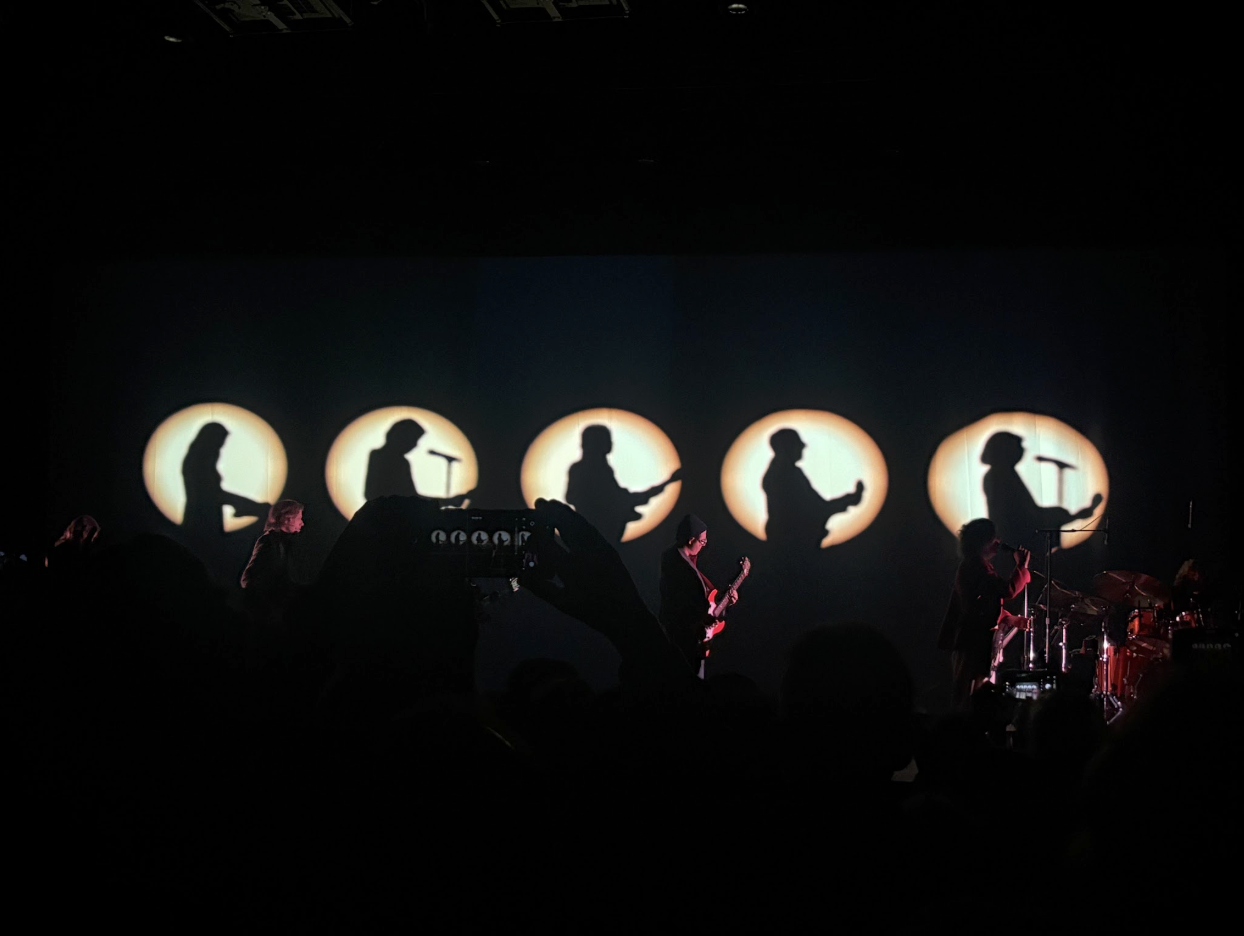
Photo by Anna Stohner
It was a beautifully curated set, with only one major hiccup … and a few minor ones. The Brooklyn Paramount is an intimate venue with standing room for only 2,700 fans. Its origin dates back to Nov. 4th, 1928 so as you can imagine, this space could simply not house Beck’s major equipment. He explained this to us, but quite frankly, I wouldn’t want his full tour setup. He axed props and needless stage decorations and instead opted for a couple of chairs and a gorgeous array of spot lights and background visuals. At one point, he poured his heart out during “Bleed” while only his face was lit up by a single, warm beam. Later into the show, he and his background musicians, which he calls his musical family, sat closely together in a formation you’d recognize around a campfire while the screen lit up with stars.
The Brooklyn Paramount perfectly emphasized the tight-knit relationship of the musicians. We all felt like a part of their world. That illusion was quickly broken when Beck paused his set to address an audience-member who had fallen ill (props to Beck, good artists care about their fans) and quickly resumed after the situation was resolved. Beck then sat down, microphone in hand and we became entranced again. That was until the house lights suddenly came on and alarms began blaring at us from all sides. No fear however, it was simply his smoke